Material Research
Full Grain vs. Crazy Horse vs. Vegan Leather: A B2B Buyer's Guide to Small Leather Goods
Published on Oct 22, 2026
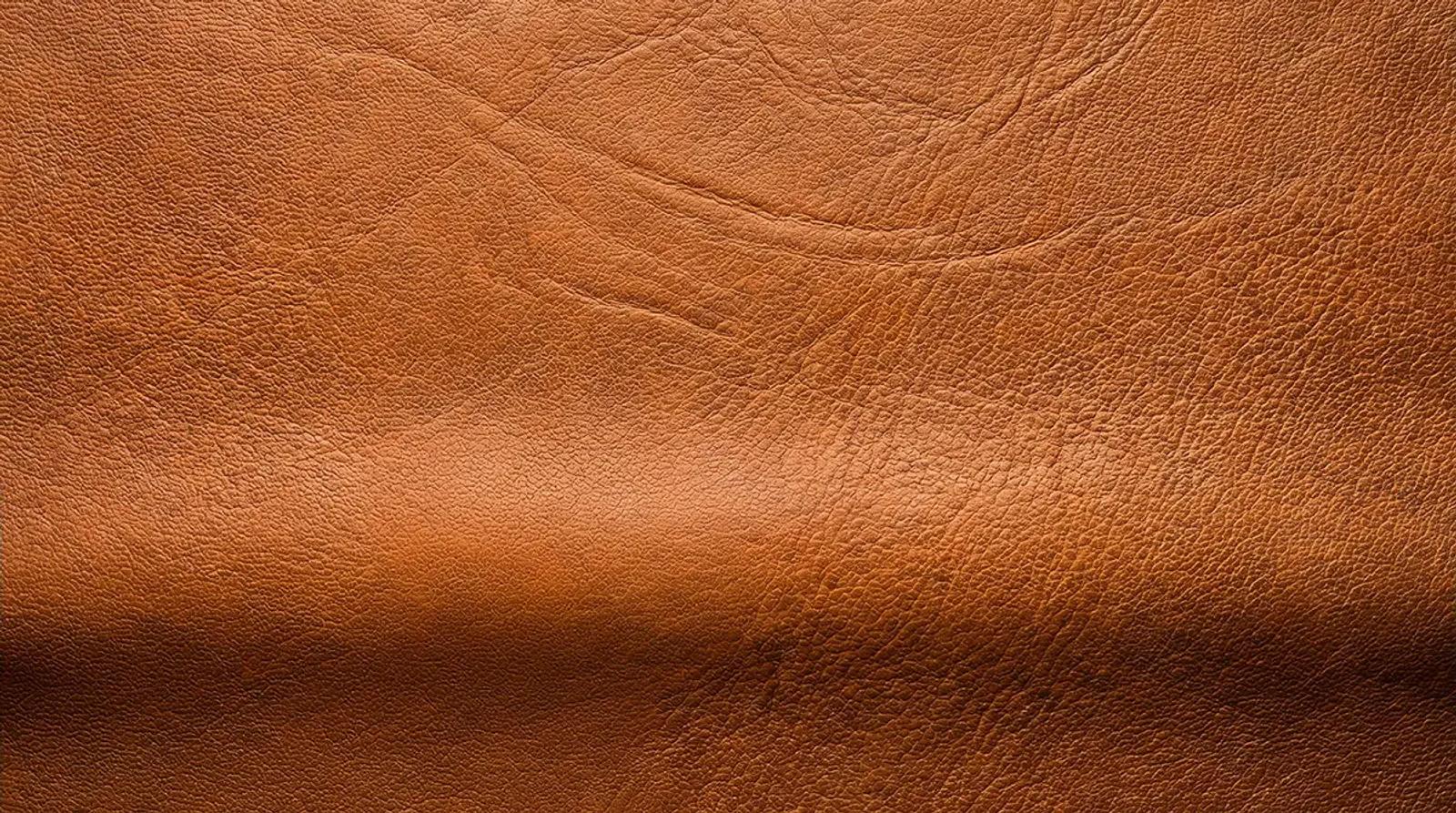
The Bottom Line for 2027 Sourcing: Your choice of material dictates your entire business model. If you are targeting the mass market with fast inventory turnover, Vegan Leather offers a 95%+ material yield with lower production costs. If you are building an outdoor or everyday carry (EDC) brand, Crazy Horse provides instant rugged appeal. However, for premium private label brands seeking maximum retail markup, Full Grain leather—specifically Vegetable-Tanned leather—remains the undisputed champion.
Choosing the right material is not a debate about chemical composition; it is a calculation of target demographics, material yield rates, and manufacturing craftsmanship. As a source manufacturer, we break down the true costs and market positioning of these materials to help you structure your next purchase order.
1. Vegan Leather: The High-Yield, Volume-Driven Choice
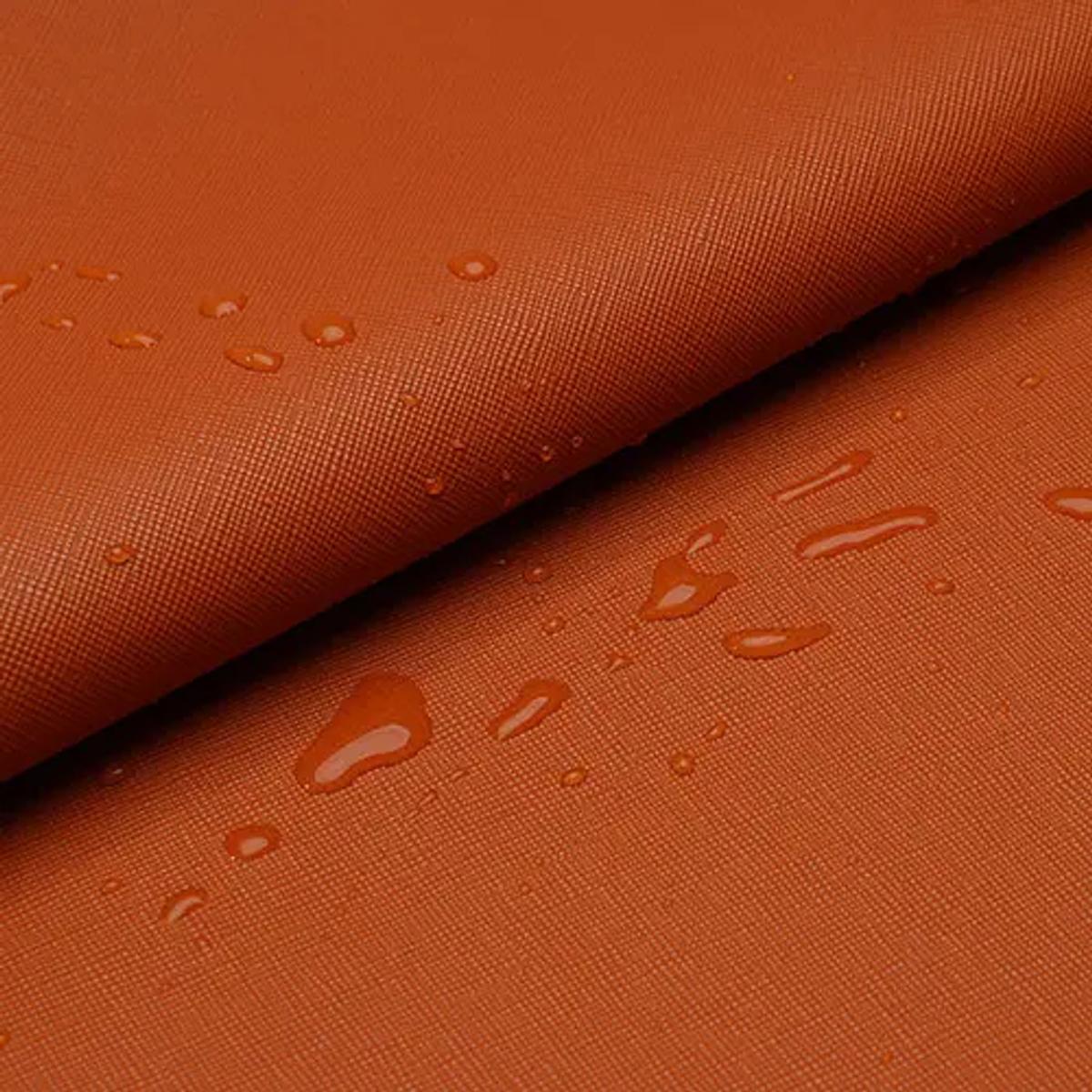
Target Market: Eco-conscious consumers, Gen-Z demographics, and fast-fashion retail.The B2B Reality (Costs & Yield): Vegan leather (microfiber or premium PU) is supplied in uniform rolls. This means the factory material yield rate is exceptionally high—often exceeding 95%. There are no natural scars or insect bites to cut around.Production Strategy: Because of its consistent thickness, vegan leather is highly suitable for machine-turned edges (folded edges), which significantly reduces manual labor costs and speeds up the production lead time. It is the perfect material for high-volume, lower-margin retail models.
2. Crazy Horse Leather: The Rugged EDC Favorite
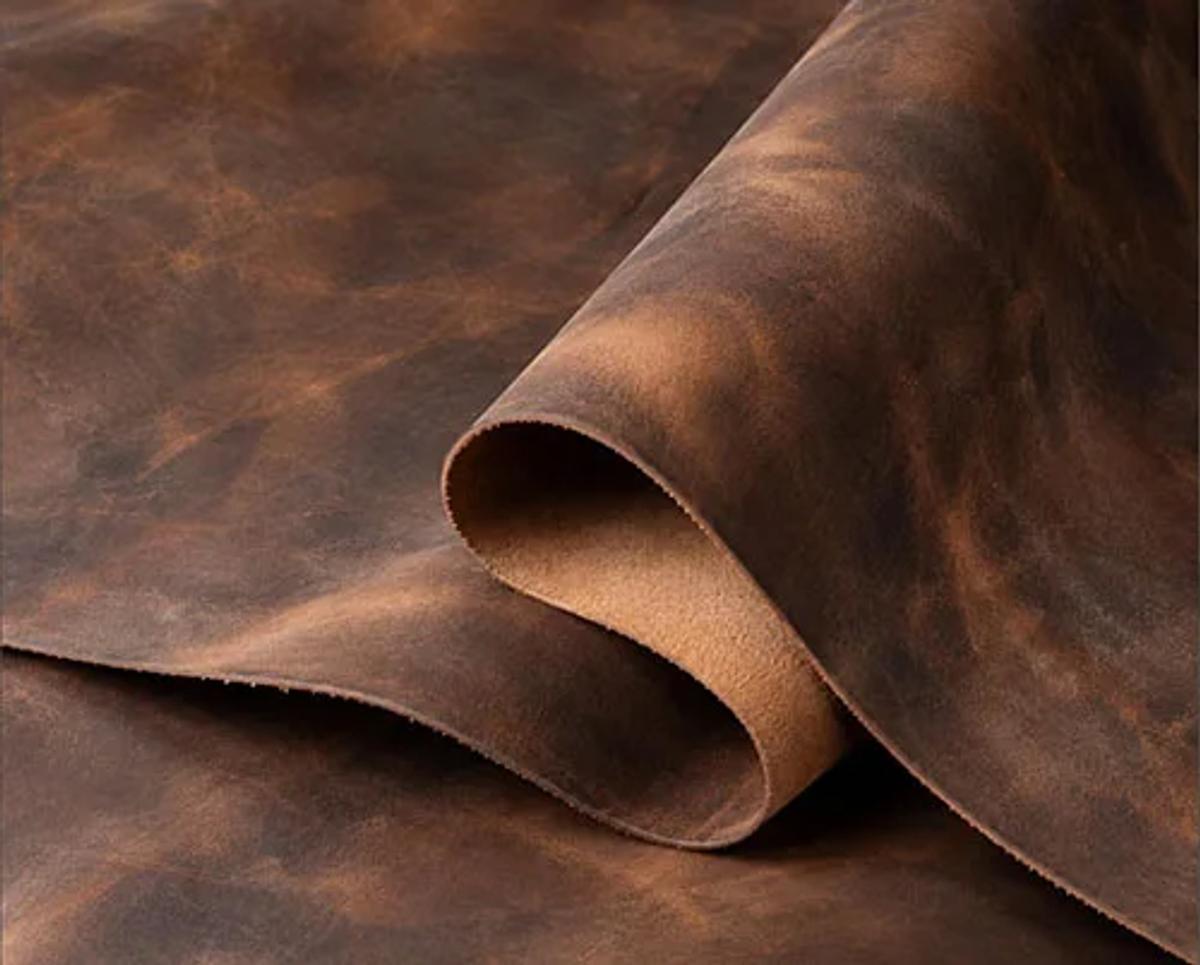
Target Market: Outdoor enthusiasts, vintage fashion, and the men's EDC (Everyday Carry) community.The B2B Reality (Costs & Yield): Crazy Horse is not from a horse; it is a full-grain cowhide treated with specific waxes. Its defining feature is that it scratches easily, creating an instant vintage patina. The material yield drops to roughly 65%-75% because factories must still cut around deep natural flaws.Production Strategy: You must educate your retail customers that the scratches are a "feature, not a bug." From a manufacturing standpoint, Crazy Horse pairs perfectly with thick, contrasting nylon stitching and minimalist raw-edge designs, making it highly profitable for boutique brands.
3. Full Grain Leather: The Premium Corporate Standard
Target Market: Luxury retail, corporate gifting, and high-end professional accessories.The B2B Reality (Costs & Yield): Full grain retains the outermost layer of the hide, showcasing natural grain. It is expensive because factories can only utilize the cleanest 60%-70% of the hide, discarding areas with heavy loose grain or deep scarring.Production Strategy: Full grain demands premium craftsmanship. It requires precise splitting (skiving) down to 0.4mm for card slots and pairs best with labor-intensive, multi-layer hand-painted edges. This material justifies retail price points above $75 for a minimalist wallet.
4. The Manufacturer’s Secret Weapon: Vegetable-Tanned Leather
While standard full-grain chrome-tanned leather is excellent, top-tier brands dominating the premium market transition to Vegetable-Tanned (Veg-Tan) Leather.
As a manufacturer specializing in high-end leather goods, this is our strongest recommendation for brands wanting to establish a luxury moat:
- The Patina Effect: Veg-tan absorbs natural oils and darkens beautifully over time. It offers a personalized aging process that synthetic or heavily pigmented leathers cannot replicate.
- Superior Edge Burnishing: Unlike standard leathers that require painted edges, vegetable-tanned leather allows for natural edge burnishing—using water, gum tragacanth, and friction to create a glossy, sealed edge that never peels.
- The Profit Margin: While the raw material cost is 20%-30% higher than standard full-grain, the retail markup potential is exponential. Buyers educated in leather craft actively search for "veg-tan wallets" and willingly pay premium prices.
Frequently Asked Questions (B2B Sourcing Q&A)
Q: If genuine leather has a 30% waste rate due to scars, am I paying for the wasted material?
A:Yes. The cost of the discarded leather is factored into the unit price of your final product. This is why a $10 increase in raw leather cost might translate to a $25 increase in the final wholesale price. A reliable manufacturer will strictly control the cutting layout to minimize this waste while ensuring your front panels remain flawless.
Q: Can you apply a custom logo on all these materials?
A:Yes, but the techniques vary. Vegetable-tanned and Crazy Horse leathers take blind debossing exceptionally well, leaving a sharp, darkened impression. Vegan leather often requires hot foil stamping or screen printing, as it does not naturally darken under pressure and heat.
Q: What is the MOQ difference between ordering Vegan Leather vs. Custom Vegetable-Tanned Leather?
A:We can typically source standard Vegan Leather or Crazy Horse in small batches, allowing for an MOQ of 100-200 pieces. However, custom-dyed Vegetable-Tanned leather requires a tannery vat run, which may push the initial MOQ to 300-500 pieces, depending on the specific color requirements.
Partnering with a factory that understands material yield and market positioning is crucial for your profit margins. Before you finalize your 2027 tech packs, evaluate your target demographic and let the material dictate your retail strategy.
Related Articles
Material Research
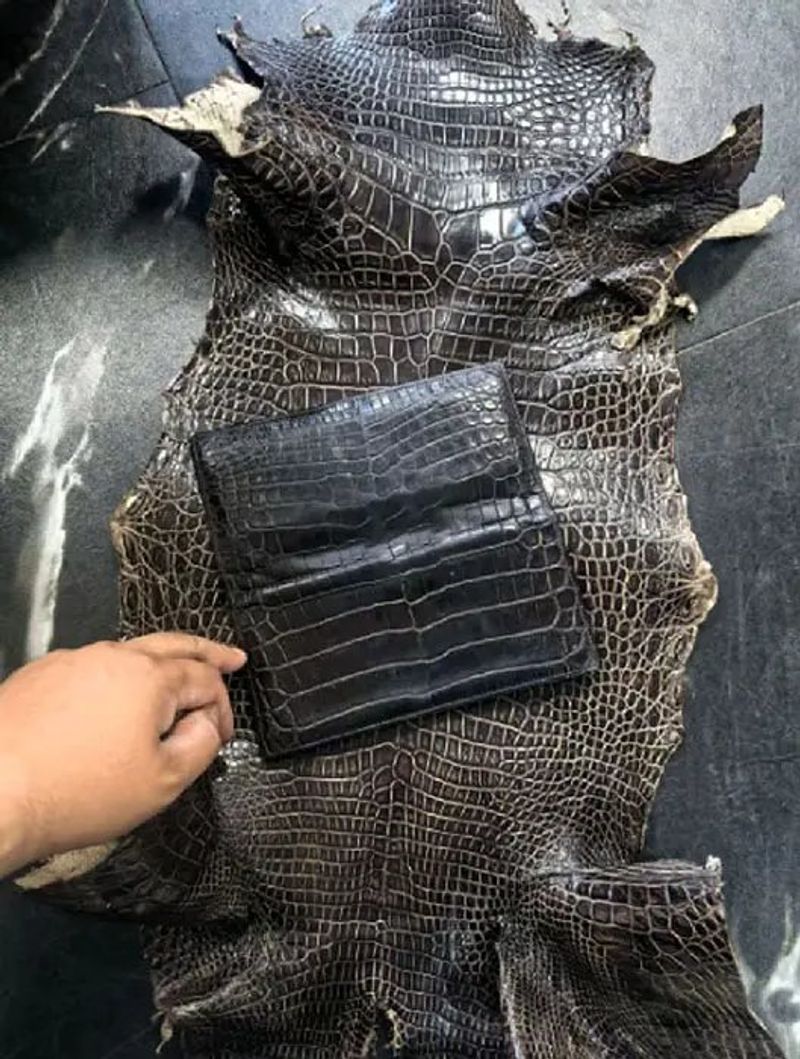
Why a Crocodile Skin Wallet Is Cut From the Belly — And What That Means for Your Order
Belly yield, scale direction, and the fold test separate genuine crocodile from embossed cowhide — and each one changes how a wallet order is planned and quoted.
Material Research
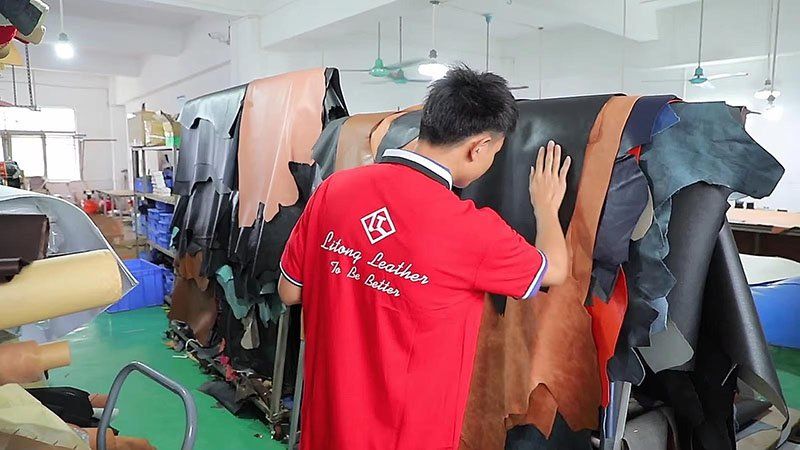
Why Incoming Leather Inspection Decides the Wallet, Not the Cutting Table
Grain, temper and recovery under the hand are the checks that decide a leather lot before it is cut. What buyers should look at, touch and fold — and what to put on the spec sheet.