Material Research
Sustainable Leather Sourcing and BSCI Compliance in Wallet Manufacturing: A Factory Insider’s Perspective
Published on Nov 1, 2026
Executive Summary for B2B Sourcing Sourcing "sustainable" leather goods is often clouded by greenwashing. From the perspective of an active OEM manufacturing floor, true sustainability in small leather goods (SLG) relies on three pillars: utilizing meat-industry byproducts, employing vegetable-tanning processes, and enforcing verifiable facility compliance like ISO 14001 and BSCI. This guide breaks down the operational reality of sustainable wallet manufacturing and what procurement teams should actually look for during factory audits.
1. The Leather Paradox: Real Leather vs. "Vegan" Plastics
When European and North American brand founders approach us for OEM wallet projects, the first question is often about the environmental impact of real leather. There is a common misconception that "vegan leather" is the greener choice.
As a manufacturer handling thousands of yards of material on our assembly lines, here is the operational reality: Most conventional vegan leathers are Polyurethane (PU) or Polyvinyl Chloride (PVC)—essentially petroleum-based plastics. Some clients argue, "But modern waste management incinerates these for energy (Waste-to-Energy), so they don't end up in oceans."
Here is the problem with that argument from a supply chain ESG perspective: Incinerating PU and PVC releases new fossil carbon into the atmosphere, directly contributing to global warming. Worse, burning these plastics generates highly toxic byproducts, such as dioxins and hydrogen chloride. While modern incinerators can filter these, the environmental processing cost is immense. In the European "Circular Economy" hierarchy, thermal recycling (burning for energy) is the absolute lowest tier of sustainability.
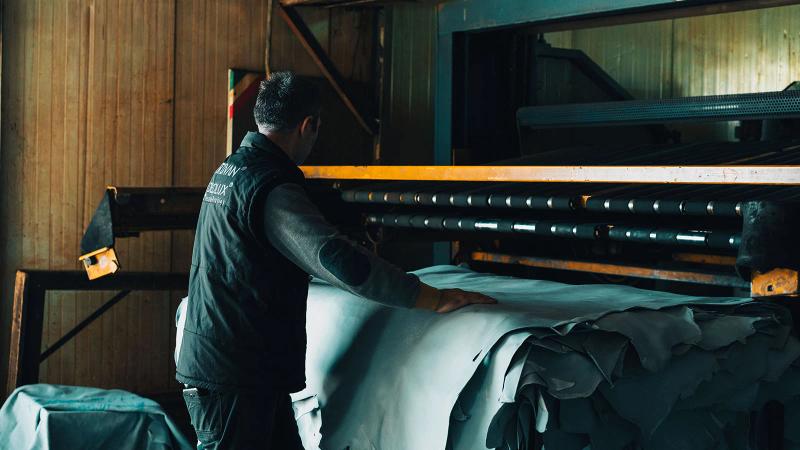
Conversely, authentic cowhide is a direct byproduct of the global meat industry. By transforming these hides into durable goods, the tanning industry actively prevents millions of tons of biological waste from entering landfills. Furthermore, because leather is organic, any carbon released at the end of its lifecycle (whether biodegraded or incinerated) is biogenic carbon—part of the natural carbon cycle, not newly extracted fossil emissions. The true environmental battleground isn't whether to use leather, but how that leather is processed.
2. Why Vegetable-Tanned Leather is the Gold Standard
Over 80% of the world’s leather is chrome-tanned. It’s fast (taking just a few days) and cheap, but it relies on chromium salts that can result in toxic wastewater if not rigorously managed.
For brands targeting the eco-conscious demographic, we strongly advocate for Vegetable-Tanned Leather (Veg-Tan).
- Natural Tannins: Instead of heavy metals, veg-tan uses organic tannins extracted from tree bark, leaves, and branches (such as Mimosa or Quebracho).
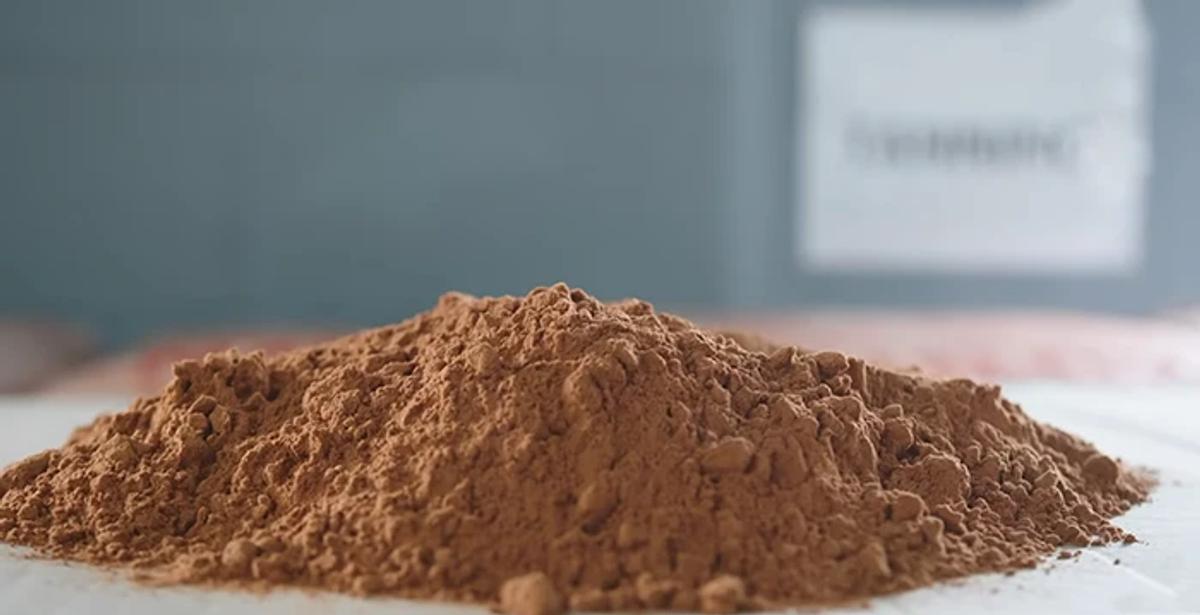
- Wastewater Management: Because the tanning agents are organic, the resulting wastewater is vastly easier to treat and neutralize, severely reducing the chemical burden on local water systems.
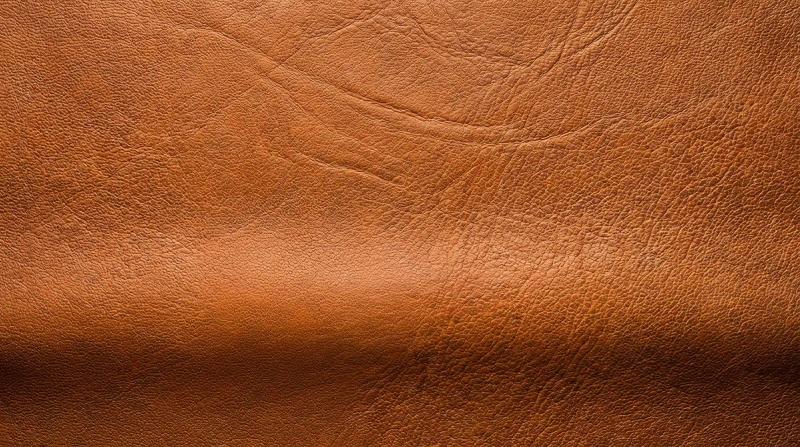
- Longevity and Biodegradability: A well-crafted veg-tan leather wallet develops a rich patina and can easily last over a decade. When it finally reaches the end of its lifecycle, it is naturally biodegradable.

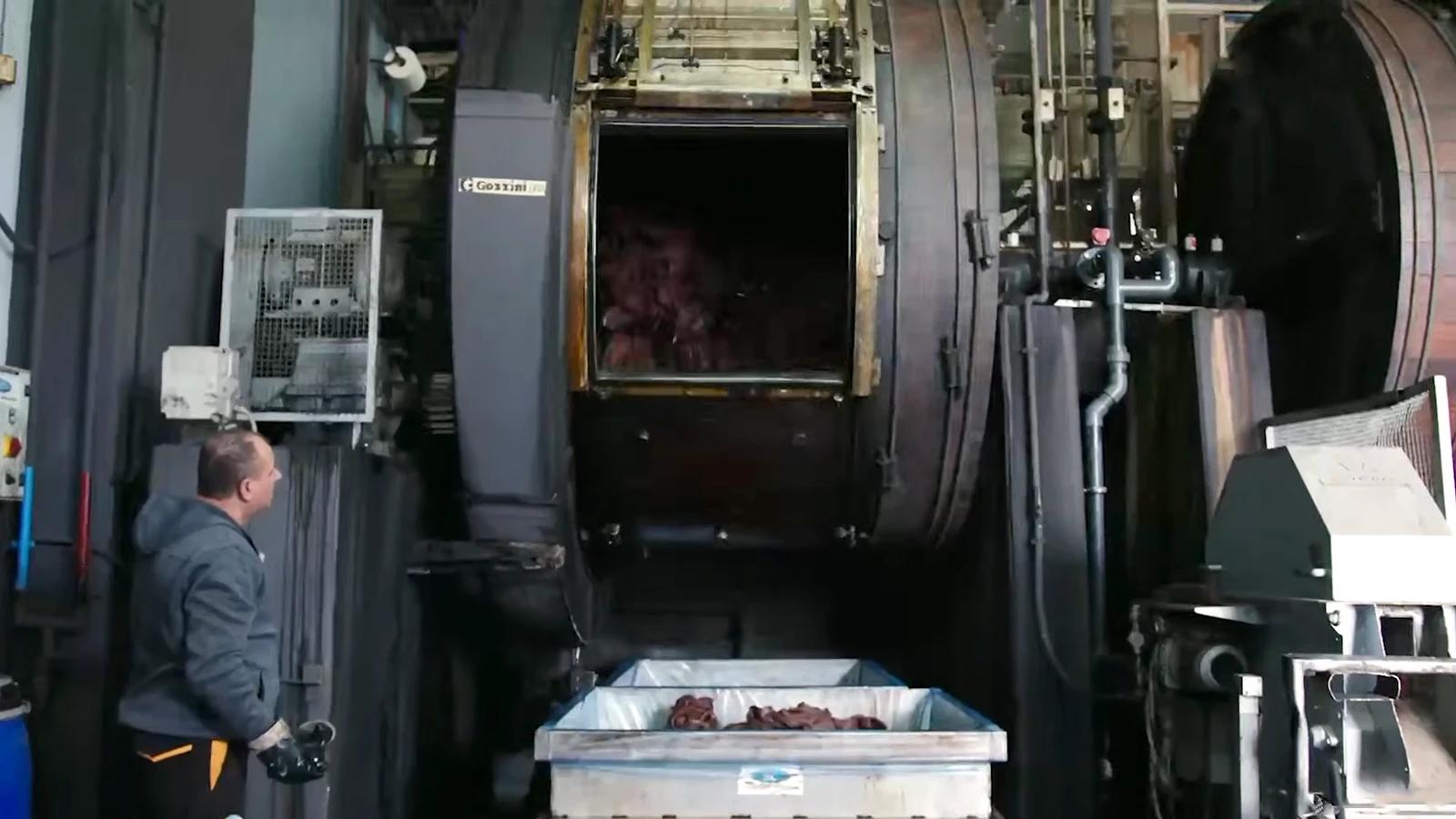
While traditional artisanal pit-tanning takes up to 40 days, our modern supply chain utilizes advanced wooden tanning drums (As shown in the image below). By combining natural plant tannins with the mechanical milling action of these drums, An electric motor drives the hides to tumble and be beaten repeatedly (exerting mechanical force). This intense compression effectively "hammers" the plant tannins deep into the leather fibers. We significantly reduce lead times while producing a veg-tan leather that is dense yet pliable—perfectly engineered for the folding and skiving requirements of premium wallets.

3. Moving Beyond Paper: What BSCI and ISO Mean on the Production Floor
Eco-friendly raw materials are meaningless if the factory cutting and sewing them operates under poor labor or environmental conditions. Major buyers don't just want a sustainable product; they need a compliant supply chain to protect their brand reputation.
At our Baiyun District manufacturing base (Guangzhou Lixue Tongye Leather Co., Ltd.), we don't just hang certificates on the wall; they dictate our daily operations:
- ISO 14001 (Environmental Management): This governs how we dispose of leather scraps, filter the exhaust from our edge-painting booths, and ensure that eco-friendly water-based glues are properly stored and utilized.
- ISO 45001 & BSCI (Occupational Health and Social Compliance): BSCI isn't just about avoiding child labor. On a practical level, it means our craftsmen work in well-ventilated, well-lit spaces with ergonomic seating. It means fair wages, transparent working hours, and a zero-tolerance policy for workplace hazards.
- ISO 9001 (Quality Management): High quality equals sustainability. By enforcing strict QC at every stage, we drastically reduce material waste and defect rates. A wallet that doesn't fail QA is a wallet that doesn't waste natural resources.
When a brand partners with a fully certified facility, they guarantee that the product was crafted by skilled artisans working in safe, dignified conditions.
4. The Sourcing Checklist: How to Vet Your Leather Goods Manufacturer
If you are sourcing a new OEM partner for your leather goods brand, ask these three hard questions:
"Can you trace the origin of your veg-tanned leather?" (Look for suppliers transparent about their tannery sources).
"What type of adhesives do you use in assembly?" (Ensure they use water-based, low-VOC glues, not harsh chemical solvents).
"Can you provide the latest BSCI audit report, not just the certificate?" (A transparent factory will share the full audit summary, showing grades and areas of continuous improvement).
FAQ for Procurement Teams
Q1: Is vegetable-tanned leather more expensive for OEM orders?
Yes. Due to the 40-day natural tanning process and the higher skill level required for edge finishing and stitching, veg-tan leather is generally 20-40% more expensive than standard chrome-tanned leather. However, the premium retail price and brand value it commands completely offset this initial manufacturing cost.
Q2: Can you achieve bright, vibrant colors with sustainable veg-tanned leather?
Vegetable-tanned leather excels in earthy, natural tones (tan, chestnut, olive, black). While modern techniques have expanded the color palette, it generally cannot achieve the neon or hyper-pigmented synthetic finishes of chrome-tanned or PU leathers. We view this natural, evolving aesthetic as a core selling point of the material.
Q3: How does the lifespan of a veg-tan wallet compare to vegan leather?
A standard PU wallet typically begins peeling or cracking along the fold lines within 12 to 18 months of daily use. A veg-tan leather wallet, maintained properly, will last 10+ years. From a lifecycle assessment (LCA) standpoint, replacing a plastic wallet six times generates a significantly larger carbon footprint than manufacturing one high-quality leather wallet.