Material Research
Ultimate Guide to Leather Grades, Craftsmanship, and Global Market Insights
Published on Oct 26, 2026
The Bottom Line When sourcing high-end leather goods, "genuine leather" is a vastly oversimplified term. True quality and ROI are determined by a strict three-dimensional matrix: leather grade, tanning process, and surface finish.
Understanding this matrix is non-negotiable for B2B buyers and global brands. Furthermore, the global supply chain is evolving rapidly. According to recent industry reports, China's total leather sector exports reached an astonishing $82.72 billion in 2025, cementing its absolute dominance in high-efficiency, premium commercial manufacturing. Meanwhile, Italy’s luxury goods market, valued at $19.47 billion in 2024, continues to hold the pinnacle of artisanal prestige. Here is the ultimate manufacturer's guide to navigating these complexities and making data-driven sourcing decisions.
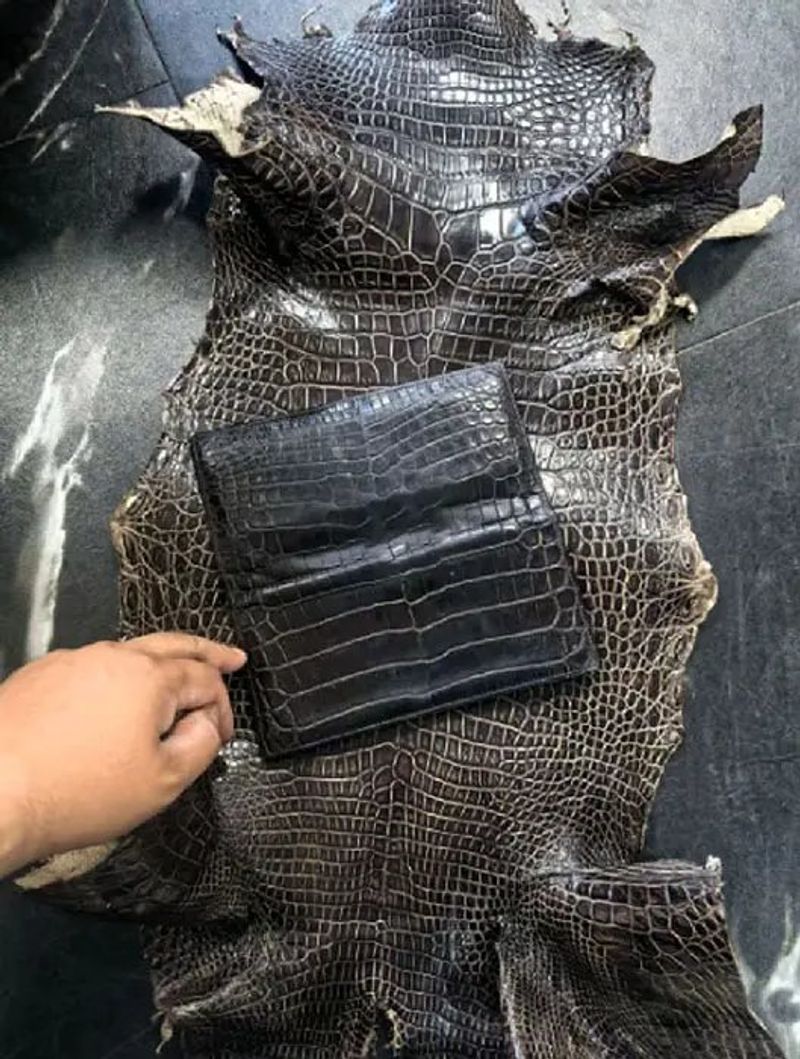
(Note: While bovine/cowhide remains the absolute mainstream for its strength and clear grain, authentic leather also encompasses ultra-soft sheepskin for garments, breathable pigskin for linings, and rare exotic skins like crocodile and ostrich for luxury items.)
1. Leather Grade Classification: The Foundation of Durability
The perceived value and lifespan of any leather product depend entirely on which layer of the animal hide is utilized.
- Top-Grain Leather: Sourced from the outermost layer of the hide, this grade features the most compact, dense fiber structure.
- Full-Grain Leather: The absolute highest tier. It retains the native grain, natural pores, and even minor natural scars with minimal processing. It offers maximum durability, breathability, and develops a rich, highly sought-after patina over time.
- Corrected-Grain Leather: Top-grain leather that has been lightly sanded to remove heavy blemishes and then embossed with an artificial grain for a pristine, uniform appearance.
- Nubuck: Top-grain leather buffed on the outer surface to create a luxurious, velvet-like nap.
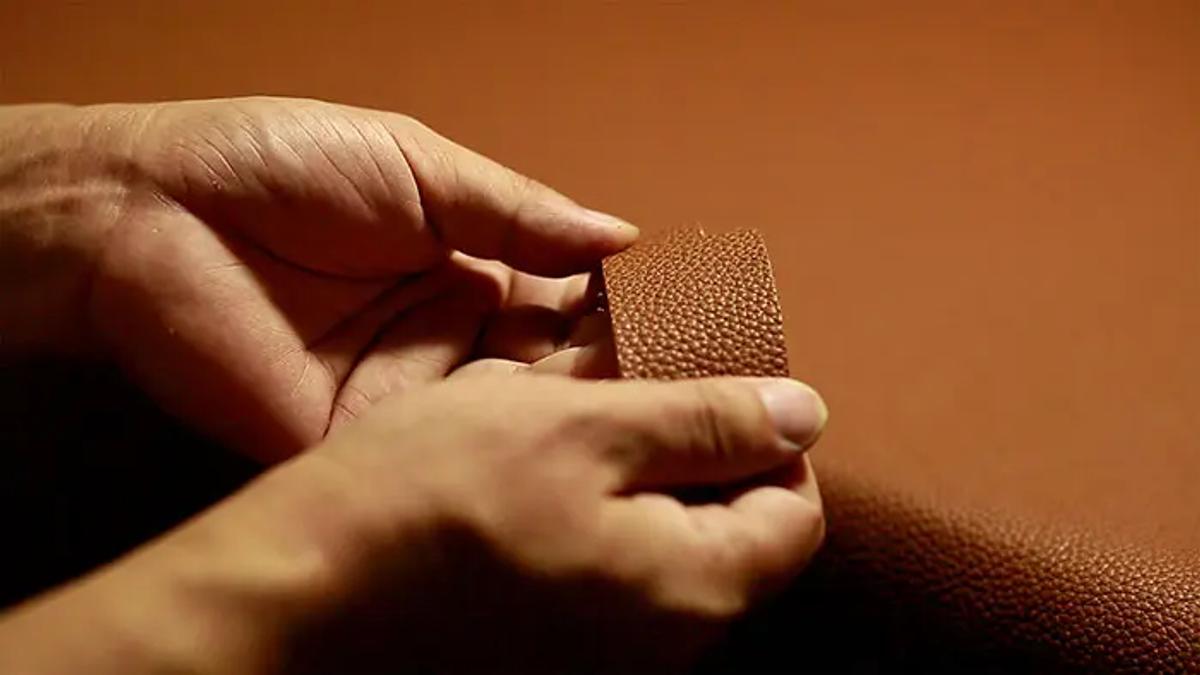
- Split Leather: The underlying fibrous layer left after the top grain is removed. Because it lacks a natural surface, it requires a heavy polymer (PU/PVC) coating or film. It is highly cost-effective and rigid, often used in budget-friendly commercial goods.
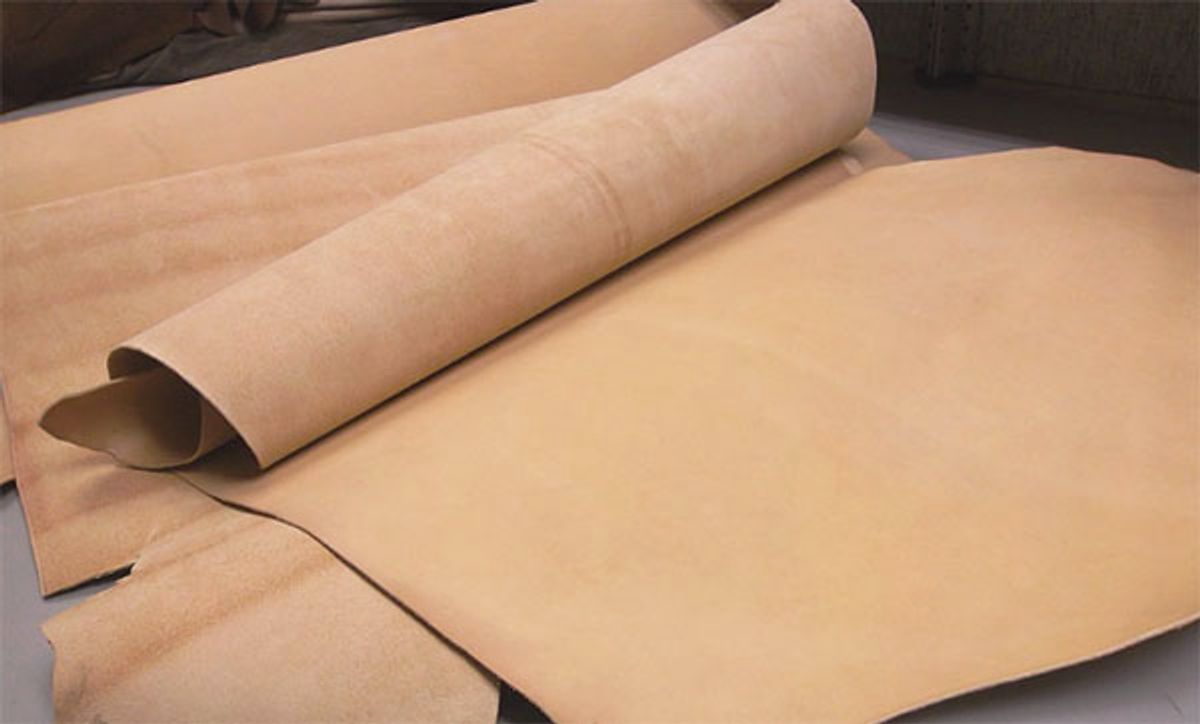
- Bonded Leather: Created by shredding leather scraps and bonding them with synthetic polyurethane. Under strict industry standards, this is no longer classified as true leather.
2. Tanning Processes: Engineering Core Performance
Tanning is the crucial chemical process that converts raw, perishable hides into stable, durable leather. The chosen method dictates the material's flexibility, water resistance, and eco-footprint.
- Chrome Tanned: Accounting for over 90% of the global market, this method uses chromium salts. It is incredibly efficient to produce and yields exceptionally soft, water-resistant, and color-rich leather—making it the undisputed standard for modern footwear and handbags.
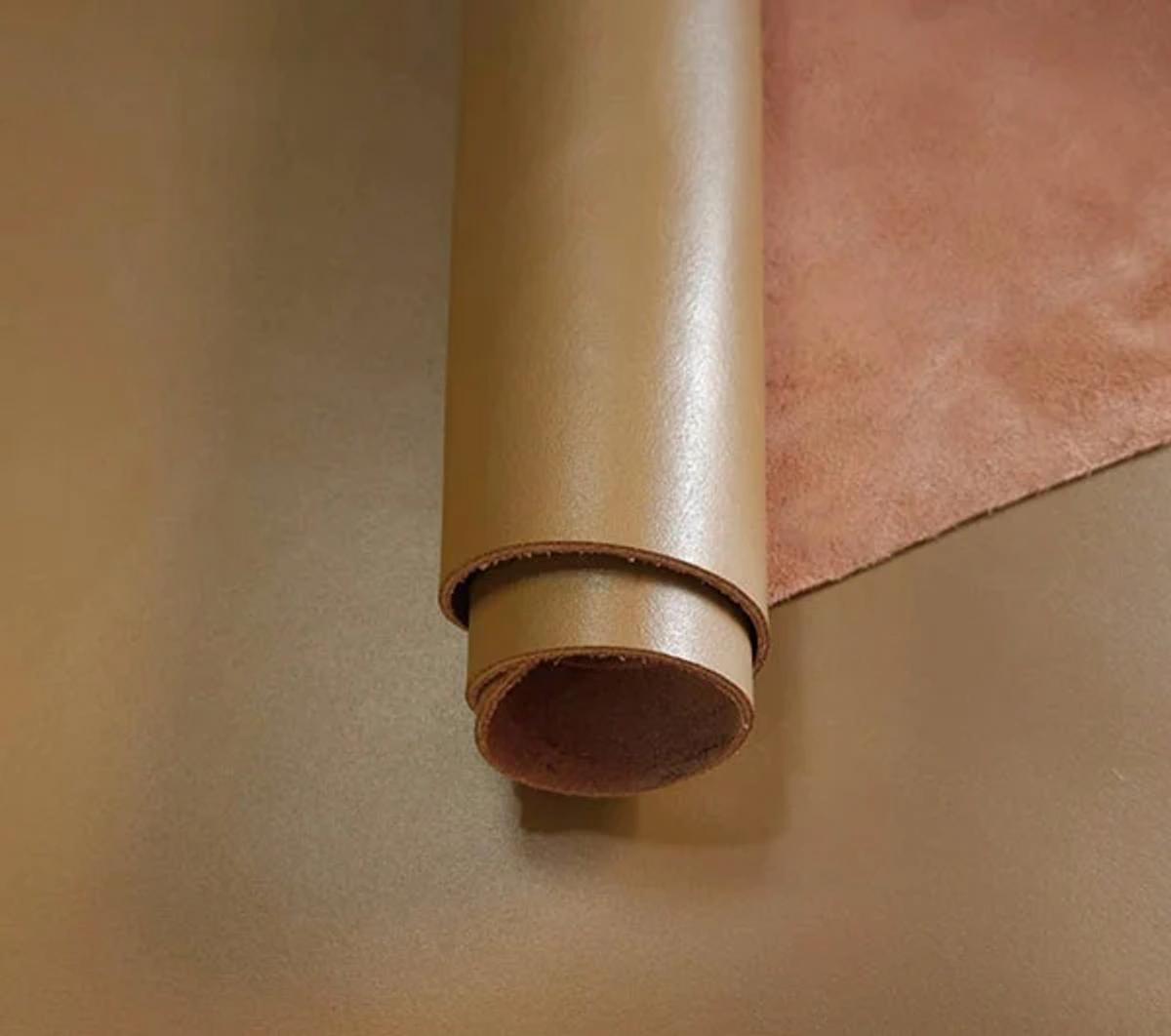
- Vegetable Tanned: The most ancient, artisanal process, utilizing natural tannins extracted from tree bark and plants. It is highly eco-friendly, structurally stiff (ideal for carving or molding), and naturally darkens into a beautiful patina with use.
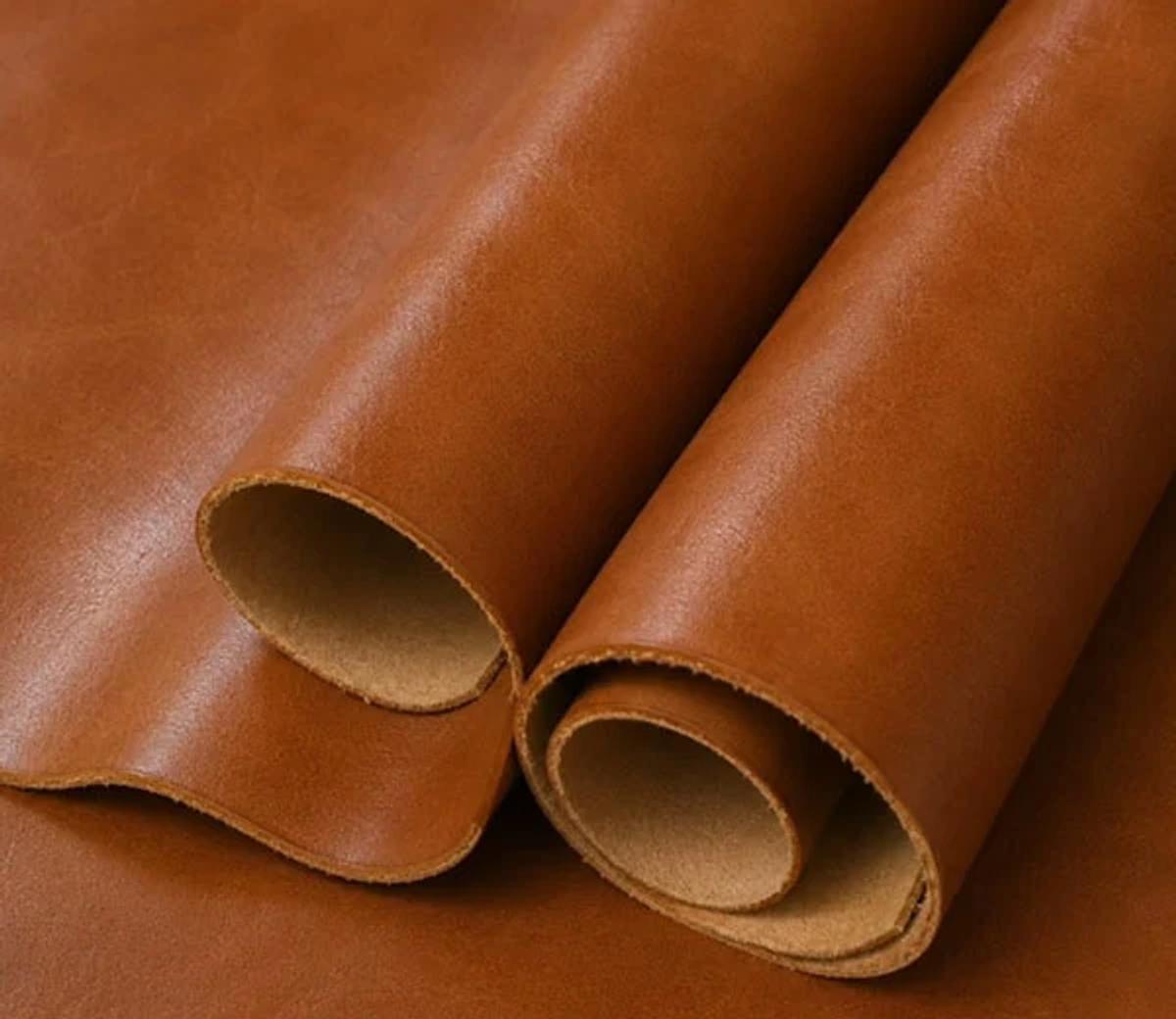
- Combination Tanned: A hybrid approach merging vegetable and chrome tanning. It offers the structural rigidity needed for architectural bag designs while maintaining a supple hand-feel.
- Oil Tanned: Tanned using animal oils, resulting in extreme softness and high water absorbency (commonly used for chamois cloths and premium cleaning gloves).
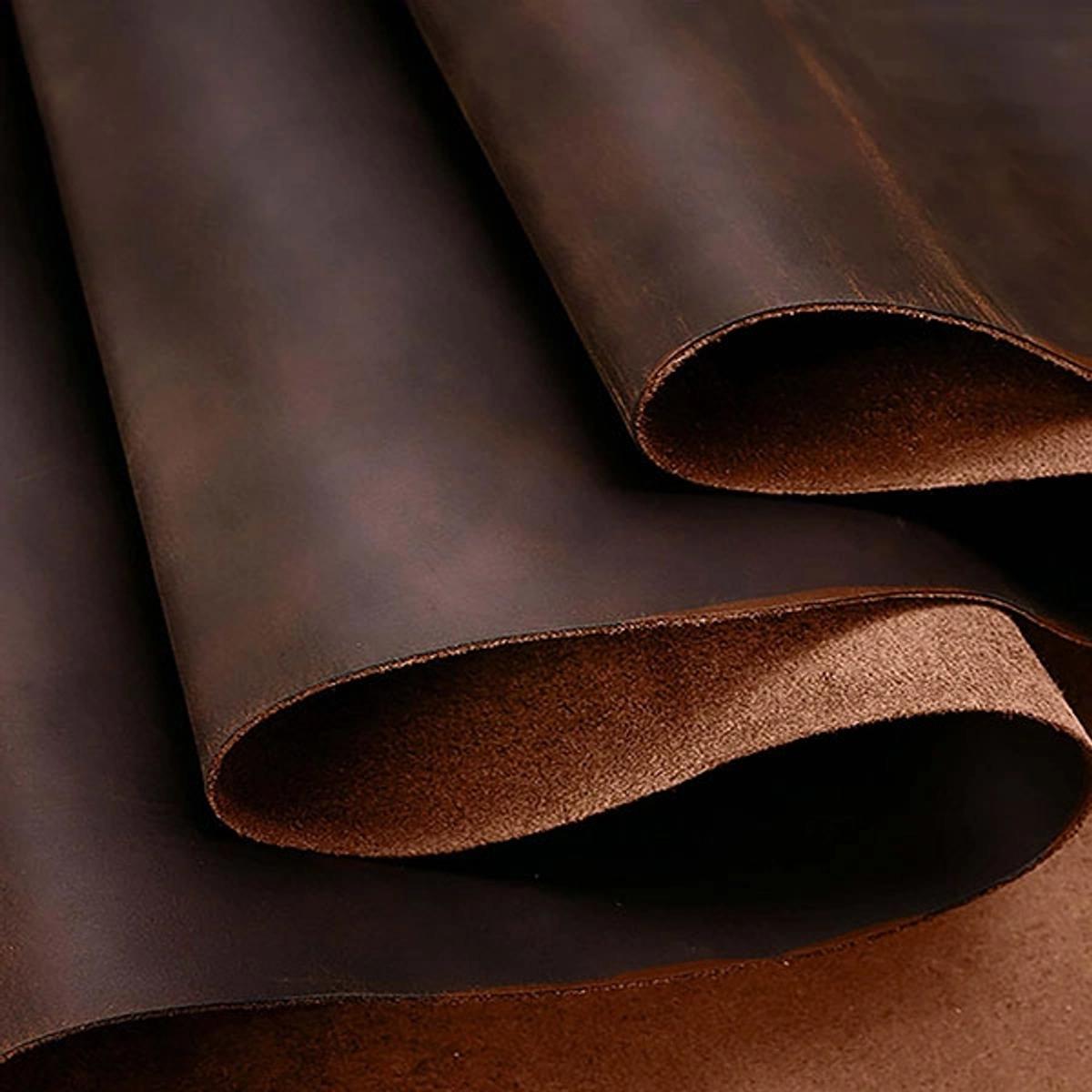
- Aldehyde Tanned: A chromium-free, highly eco-friendly process. Because it is non-irritating and incredibly safe, it is strictly utilized for infant footwear, maternity products, and high-end automotive interiors.
3. Surface Finishes: Crafting Aesthetics and Texture
The final stage of leather production—surface finishing—dictates the visual style, tactile feel, and daily maintenance requirements of the product.
- Embossed Leather: Heat-pressed with heavy steel plates to create uniform, highly recognizable textures (e.g., Saffiano, Lychee, Crocodile). It perfectly hides natural flaws and provides an incredibly consistent look for commercial brand collections.
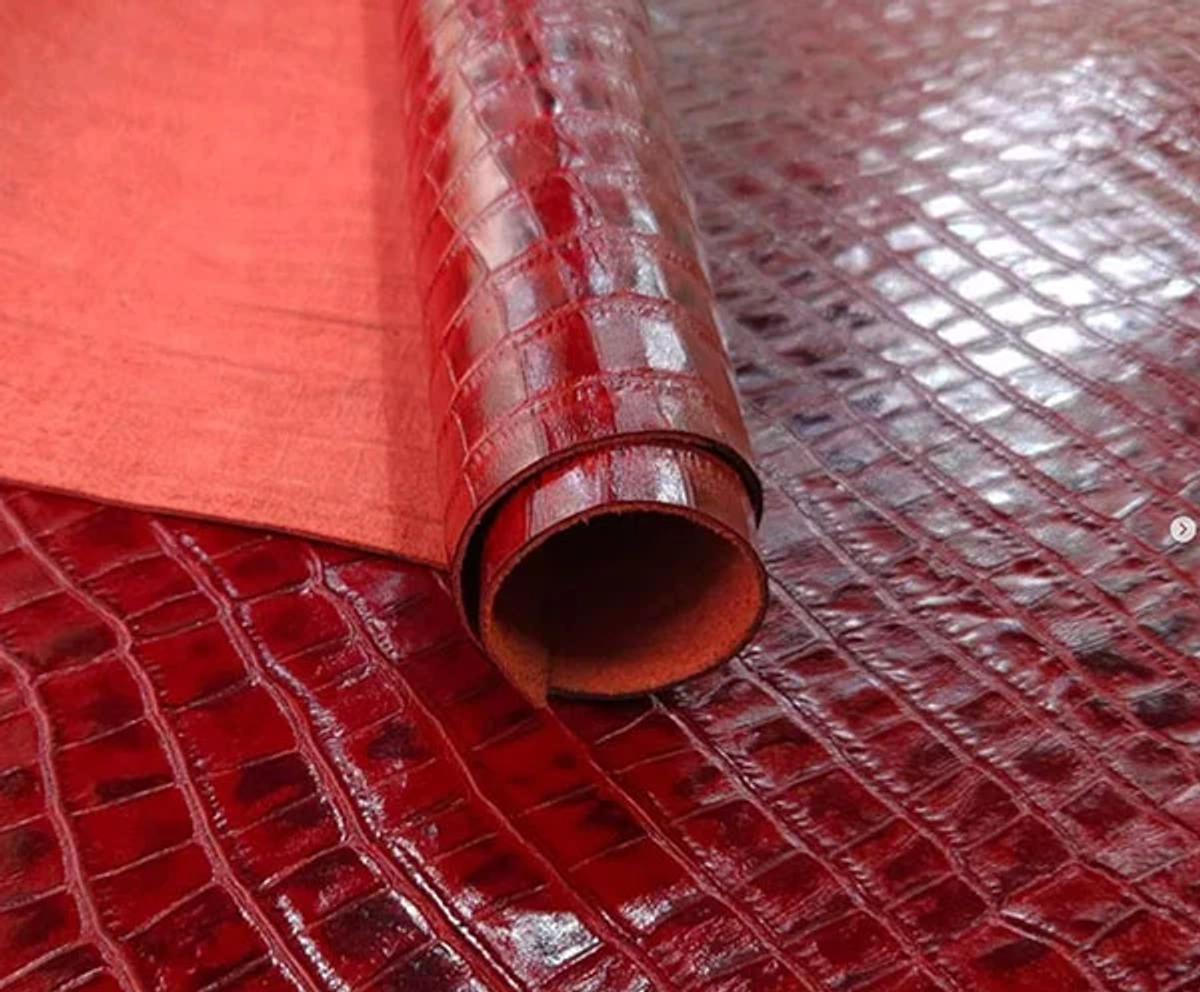
- Patent Leather: Coated with a high-gloss resin finish. It is highly reflective, waterproof, and stain-resistant, though it remains vulnerable to deep scratches and extreme cold.
- Milled Leather: Tumbled in large rotating drums to naturally relax the fibers without heat pressing. This results in a bouncy, buttery-soft texture with a natural, breathable pebble grain that resists harsh creasing.
- Washed Leather: A high-end finishing technique utilizing stone and enzyme washing to simulate a naturally aged, vintage aesthetic. It retains ultimate breathability, offers a soft drape, and features superior dimensional stability due to pre-shrinking.
- Pull-Up & Crazy Horse Leather: Infused with heavy oils and waxes. When stretched or scratched, the waxes displace to reveal a lighter undertone, creating a rugged, vintage gradient. "Crazy Horse" leather is famous for its distressed, easily scratched aesthetic that heals over time.
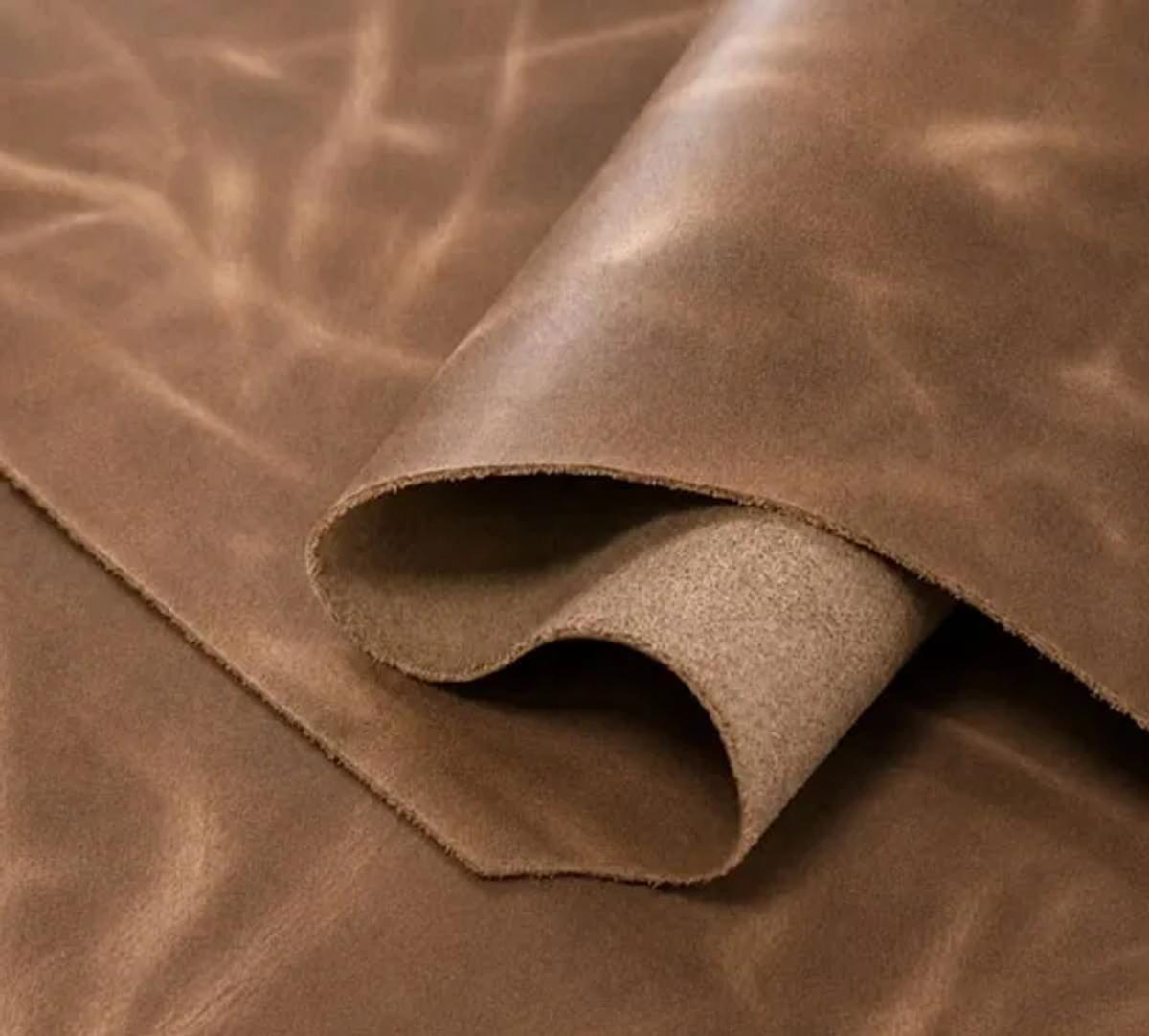
- Aniline & Semi-Aniline Leather: Aniline leather uses only transparent dyes with no protective topcoat, fully exposing the glorious natural grain—it is the most luxurious but delicate finish. Semi-aniline adds a micro-thin protective layer, perfectly balancing natural texture with commercial durability (the premier choice for luxury furniture).
4.The Leather-to-Product Matching Matrix: What to Choose for Your Next Project
Understanding the tanning and finishing process is only half the battle. The true expertise of a procurement manager lies in matching the correct leather characteristics to the specific end-product. Here is the manufacturer's cheat sheet for Small Leather Goods (SLGs):
- Full-Grain Chrome Tanned Leather
- Core Characteristics: Buttery soft, vibrant color retention, and highly resistant to water, sweat, and daily friction.
- Ideal Applications: Premium men's and women's bifold wallets, daily-use business card holders, and luxury zip-around purses. It is the absolute workhorse for high-end, everyday-carry items.
- Vegetable-Tanned Leather (Veg-Tan)
- Core Characteristics: Firm structural rigidity, eco-friendly, and develops a rich natural patina over time. It holds shape perfectly without heavy reinforcements and reacts beautifully to heat (making it the ultimate choice for sharp blind debossing and laser engraving).
- Ideal Applications: Vintage-style minimalist wallets, structured card cases, passport covers, and artisan corporate gifts where a natural, heritage aesthetic is required.
- Embossed/Corrected Leather (e.g., Saffiano, Crosshatch)
- Core Characteristics: Highly uniform, exceptionally scratch-resistant, and completely standardized across large batches. The rigid finish hides natural flaws and maintains its exact shape for years.
- Ideal Applications: Commercial brand collections, high-traffic corporate gifting (such as ID badge holders and money clips), and structured women's SLGs where absolute consistency is prioritized over natural grain.
- Crazy Horse Leather (Oil-Pull-Up)
- Core Characteristics: Rugged, highly distressed aesthetic. It is infused with oils and waxes, meaning it easily shows scratches that "heal" when rubbed with a finger, creating a unique, personalized gradient over time.
- Ideal Applications: EDC (Everyday Carry) minimalist front-pocket wallets, rugged traveler's notebooks, and vintage-inspired passport wallets.
- Nubuck & Suede
- Core Characteristics: Velvety texture with an ultra-luxurious hand-feel, but highly susceptible to moisture, finger oils, and staining.
- Ideal Applications: Interior linings of luxury wallets, high-end jewelry pouches, or niche fashion accessories. (Note: Not recommended for the exterior of daily-use card holders due to high friction and oil exposure).
5. Global Market Insights: China's Supply Chain vs. Italy's Artisanal Heritage
To source effectively, B2B buyers must understand the macro-economics of the leather trade. The industry is currently defined by a fascinating duality between Chinese industrial efficiency and Italian luxury heritage.
China's Manufacturing Dominance China is the undisputed heavyweight in the global leather trade, acting as both the largest consumer and producer. Backed by vast raw material imports—such as those from Brazil, which exported $1.13 billion worth of leather and hides globally in 2025—China boasts a fully integrated, unshakeable supply chain.
In 2025, China's exports across the entire leather sector reached an astounding $82.72 billion. This immense ecosystem allows top-tier Chinese manufacturers to produce premium commercial-grade leather goods (from flawless Saffiano handbags to stringent automotive leathers) with unmatched speed, consistency, and cost-efficiency. For mid-to-high-end brands and corporate gifting, China's supply chain offers a crushing competitive advantage.
Italy's Luxury Bastion Conversely, Italy continues to command the absolute apex of the luxury pyramid. The Italian luxury goods market, deeply intertwined with its leather heritage, was valued at $19.47 billion in 2024. Italy's unassailable competitive moat lies in centuries of artisanal knowledge, proprietary chemical dyeing formulas, and an unparalleled mastery of full-grain aniline finishes. For top-tier luxury fashion houses commanding thousands of dollars per bag, Italian leather remains the irreplaceable gold standard of artistry and emotional premium.
Frequently Asked Questions (FAQ)
Q: Which leather grade is best for custom corporate wallets and card holders?
A: Full-grain or top-grain chrome-tanned leather is the ideal choice. It offers the best balance of longevity, premium aesthetics, and resistance to daily friction—essential qualities for small leather goods that are handled frequently.
Q: What is the fundamental difference between PU leather and split leather? A: Split leather uses the natural bottom fibrous layer of an animal hide coated with a polymer film, providing some natural structure. Traditional PU leather is entirely synthetic, typically consisting of polyurethane bonded to a fabric backing.
Q: Why is genuine vegetable-tanned leather significantly more expensive? A: The vegetable tanning process takes significantly longer (often weeks to months) compared to the rapid chrome tanning process (which takes days). It relies on natural, organic materials and requires highly skilled, traditional craftsmanship, driving up both time and labor costs.