Material Research
Lamb Leather vs Cow Leather in Manufacturing: Pros, Cons & 2026 OEM Costs
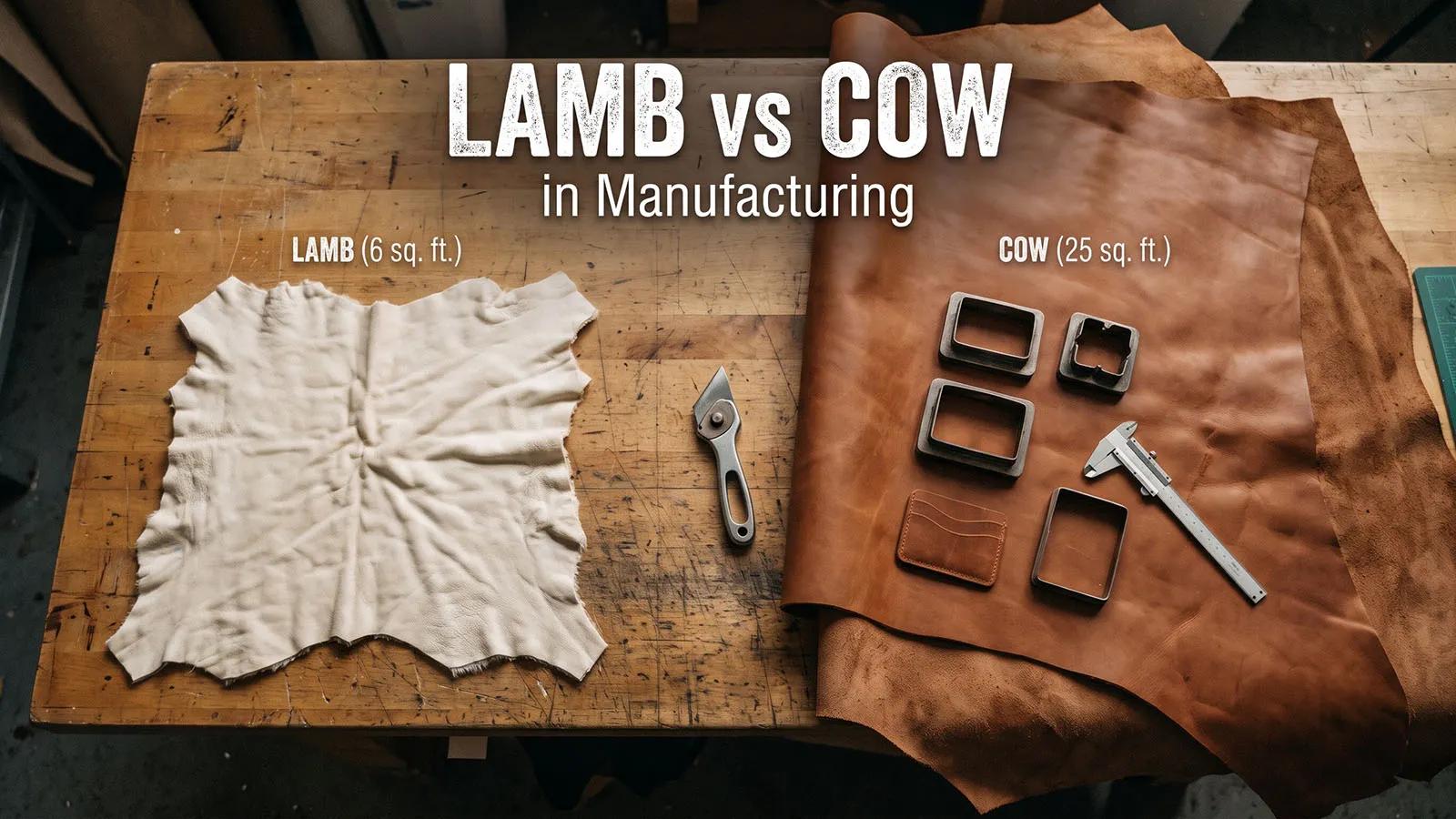
In B2B leather manufacturing, cow leather offers roughly 1.5–2x higher tensile strength (ISO 3376) and a 20–35 percentage-point higher clicking yield than lamb leather. While lambskin delivers a distinctive supple hand-feel for quilted luxury goods, its small 5–8 sq. ft. pelt size, high belly waste, and mandatory reinforcement backing increase wallet OEM unit costs by 18%–30%.
What Is the Structural Difference Between Lamb Leather and Cow Leather on the Factory Floor?
The core difference between lamb leather vs cow leather lies in dermal fiber density and natural hide thickness. Under ISO 3376 lab testing, top-grain cowhide achieves 18–22 N/mm² tensile strength with tight collagen bundles, whereas lambskin measures only 10–14 N/mm², featuring loose, airy fibers that stretch easily under tension.
The Factory Floor Reality (Based on Q3 2026 Baiyun factory QC Lab Data):
When sourcing managers visit our sample room in Baiyun District, Guangzhou, many initially gravitate toward the lightweight, supple hand-feel of Nappa lambskin and ask us to build their entire men's bifold wallet collection out of it. Before quoting, our pattern engineers always run a physical stress demonstration. The production floor in Baiyun District, Guangzhou is our own facility, and our about page sets out its cutting, finishing and inspection lines.
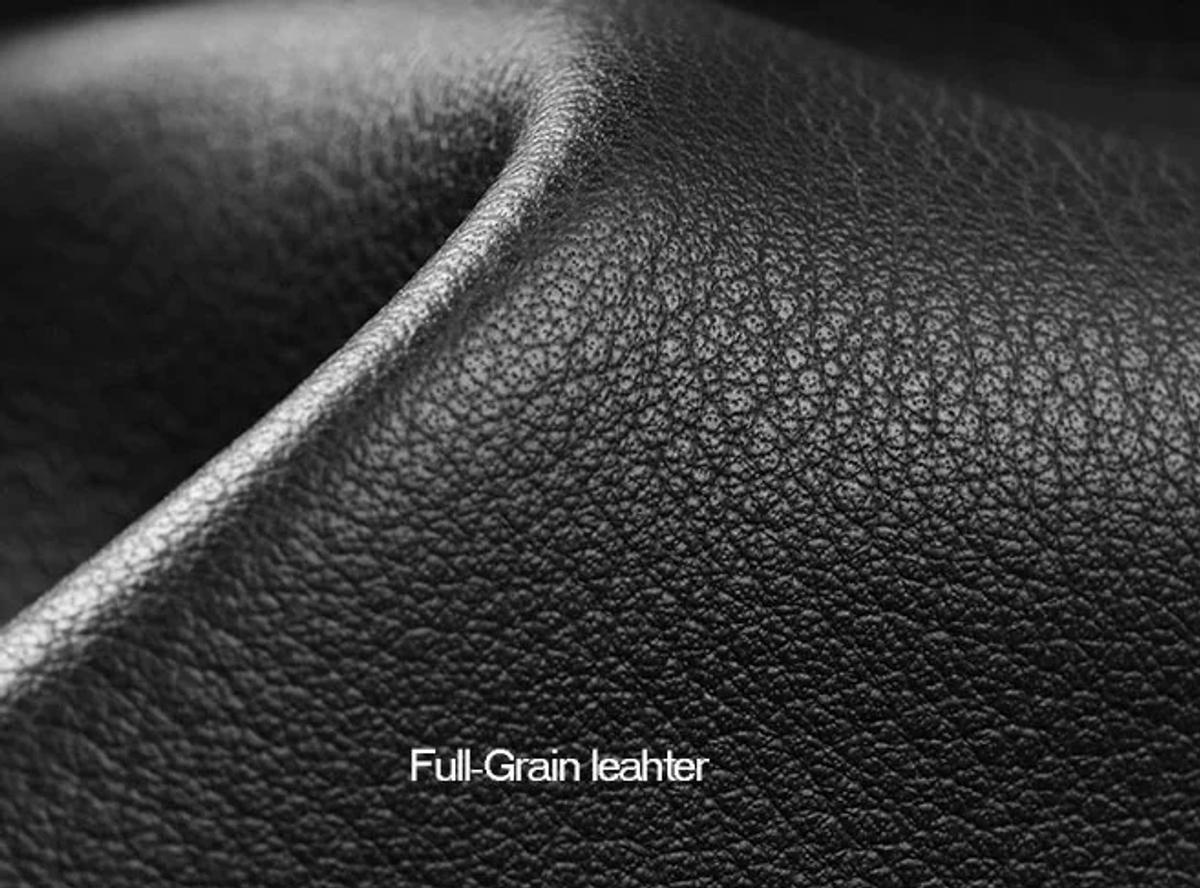
- Cow Leather (The Structural Workhorse): A raw cowhide enters the tannery at 4.0mm–6.0mm and is split down to 1.2mm–1.5mm for wallet exteriors. Its collagen fibers are densely interwoven at low angles, giving the leather natural "stand-up" temper. When skived down to 0.45mm for credit card slots, top-grain cowhide retains its dimensional stability—cards slide in and out for years without loosening the pocket.
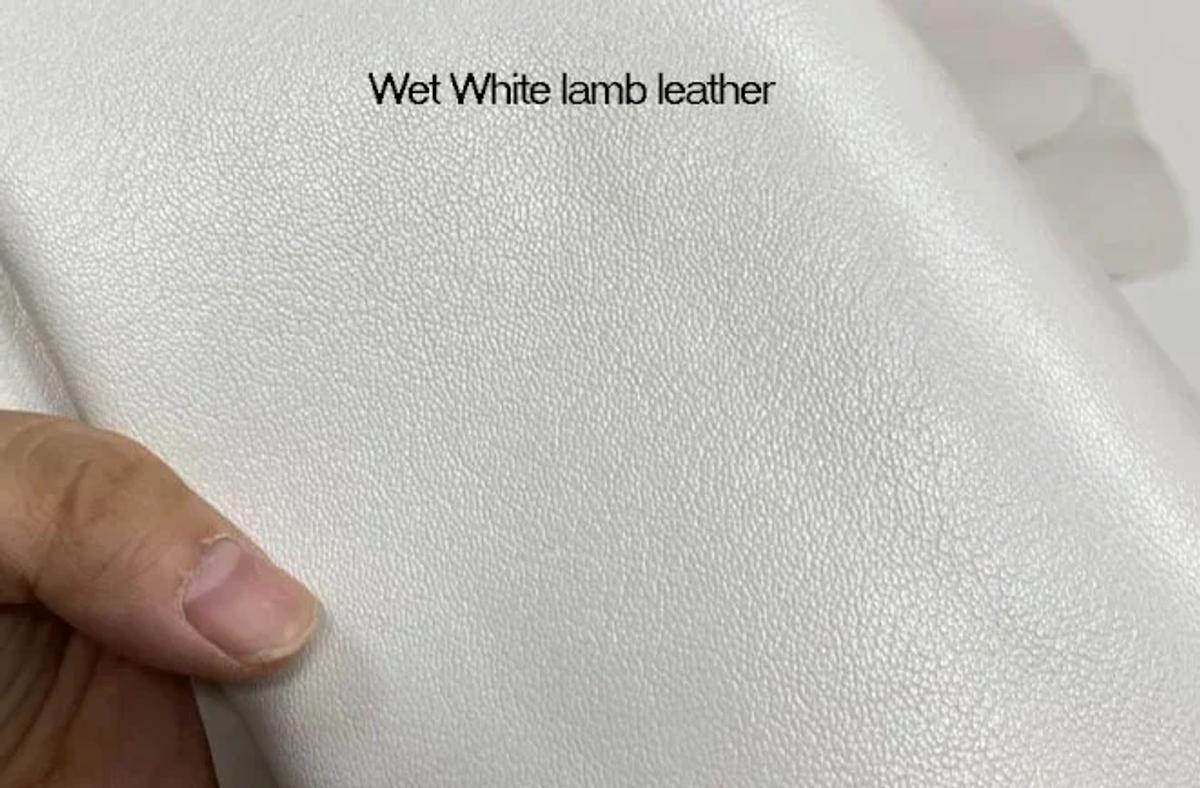
- Lamb Leather (The Delicate Material): Raw lambskin naturally measures just 0.6mm–0.9mm thick without splitting. Because sheep grow wool rather than coarse hair, the skin has thousands of microscopic wool follicles and a higher natural fat content (lanolin). This produces a supple, drape-like hand-feel (measuring ≥ 5.5mm distension under ISO 17235 softness testing), but leaves the surface epidermis ultra-thin and vulnerable to fingernail scratches and abrasion
How Do Lamb Leather vs Cow Leather Compare in Lab Tests and Production Yields?
Cowhide outperforms lambskin in tear resistance, abrasion durability, and material yield. In our 2025–2026 production audits, top-grain cowhide delivers an 85%–90% clicking yield across 45–55 sq. ft. hides, while lambskin yields only 55%–65% due to small 5–8 sq. ft. pelts and stretchy belly edges.
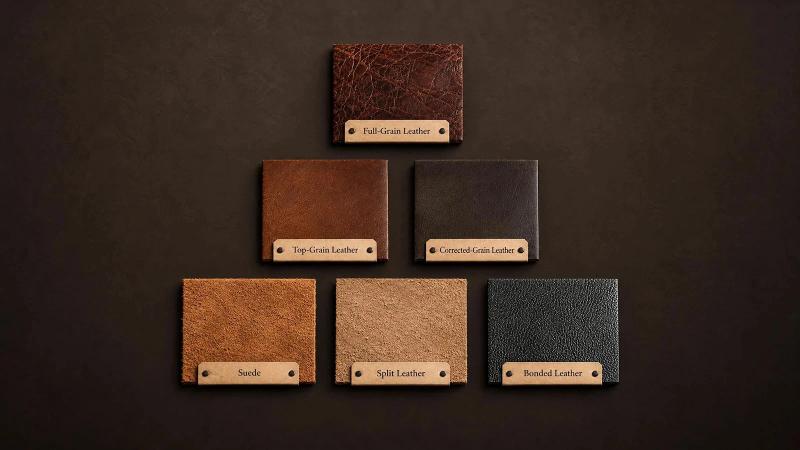
Below is our 2026 Baiyun Manufacturing Base Benchmark Matrix comparing Tier-1 Top-Grain Cowhide against Grade-A Nappa Lambskin for small leather goods (SLGs): For a complete breakdown of how upper-hide cowhide compares against lower-tier split and bonded grades across ISO physical tests, see our factory audit of the 'Genuine Leather' trap and six commercial leather tiers.
| Manufacturing Metric | Top-Grain Cow Leather | Nappa Lamb Leather | Factory Production Impact |
|---|---|---|---|
| Average Hide / Pelt Size | 45 – 55 sq. ft. (Whole) / 22–26 sq. ft. (Side) | 5 – 8 sq. ft. (Whole pelt) | Cowhide allows high-density CNC/die nesting; lambskin requires manual single-skin layout |
| Usable Clicking Yield | 85% – 90% (Full-Grain: 60%–70%) | 55% – 65% (35%–45% cutting scrap) | Lambskin requires purchasing ~1.4x more raw square footage per wallet |
| Tensile Strength (ISO 3376) | 18 – 22 N/mm² | 10 – 14 N/mm² | Lambskin stretches permanently if used unbacked in tight card slots |
| Tear Load (ISO 3377-2) | ≥ 45 N | 20 – 25 N | Stitching needle holes in lambskin can tear under heavy pocket tension |
| Natural Thickness | 1.0mm – 2.2mm (Custom split) | 0.5mm – 0.9mm (Full substance) | Lambskin requires foam/microfiber padding to feel substantial |
| Edge Finishing Route | Cut & Painted Edge (3–4 coats) | Skived & Turned/Folded Edge | Folded edges on lambskin add 15%–20% assembly labor time |
Why Does Lambskin Cost More to Manufacture in Wallets Despite Similar Raw Hide Prices?
Lambskin wallets cost 18%–30% more at FOB than cowhide wallets due to three hidden factory variables: 40% cutting waste on small pelts, mandatory anti-stretch reinforcement lamination, and slow folded-edge craftsmanship. Raw price per square foot is a trap if you ignore clicking yield and assembly labor.
When B2B buyers check raw material markets, they often notice that mid-grade lambskin ($3.20–$4.50/sq. ft.) costs roughly the same per square foot as premium top-grain cowhide ($3.00–$4.20/sq. ft.). Yet when our costing engineers send back the formal BOM (Bill of Materials) quote, the lambskin wallet is significantly more expensive. Here is where the money actually goes on the production line:
- The "Small Pelt & Flank Waste" Math :When our clickers lay wallet cutting dies onto a 25 sq. ft. side of top-grain cowhide, the prime usable area is substantial, leaving only 10%–15% waste. On a 6 sq. ft. lambskin pelt, nearly 35% of the skin consists of the neck, legs, and spongy belly flanks . If a worker cuts a wallet exterior panel from the lamb's belly, the leather will wrinkle and bubble during gluing. We can only cut main panels from the prime center spine , driving scrap rates up to 35%–45%.
- Mandatory Reinforcement Lamination : Because 0.5mm lambskin has low tear strength (20–25 N under ISO 3377-2), we cannot stitch it raw. Every single lambskin panel—especially T-slots and card pockets—must be laminated on the flesh side with 0.15mm–0.20mm non-woven reinforcement fabric or nylon taffeta using heat-activated eco-adhesives. This adds an entire lamination workstation, extra material cost, and drying time before clicking even begins.
- Turned Edges vs. Raw Painted Edges :On a cowhide bifold wallet, edges are cut flush, sanded smooth on high-speed wheels, and sealed with edge paint. Try sanding a soft lambskin edge, and the loose fibers fuzz up and drink the paint unevenly. To achieve a luxury finish on lambskin, our bench artisans must skive the perimeter edge down to 0.25mm, apply glue, and manually fold the leather over a reinforcement core (Turned Edge ). This slows line output by 15%–20%.
When Should B2B Brands Choose Lamb Leather, Cowhide, or Baby Calfskin?
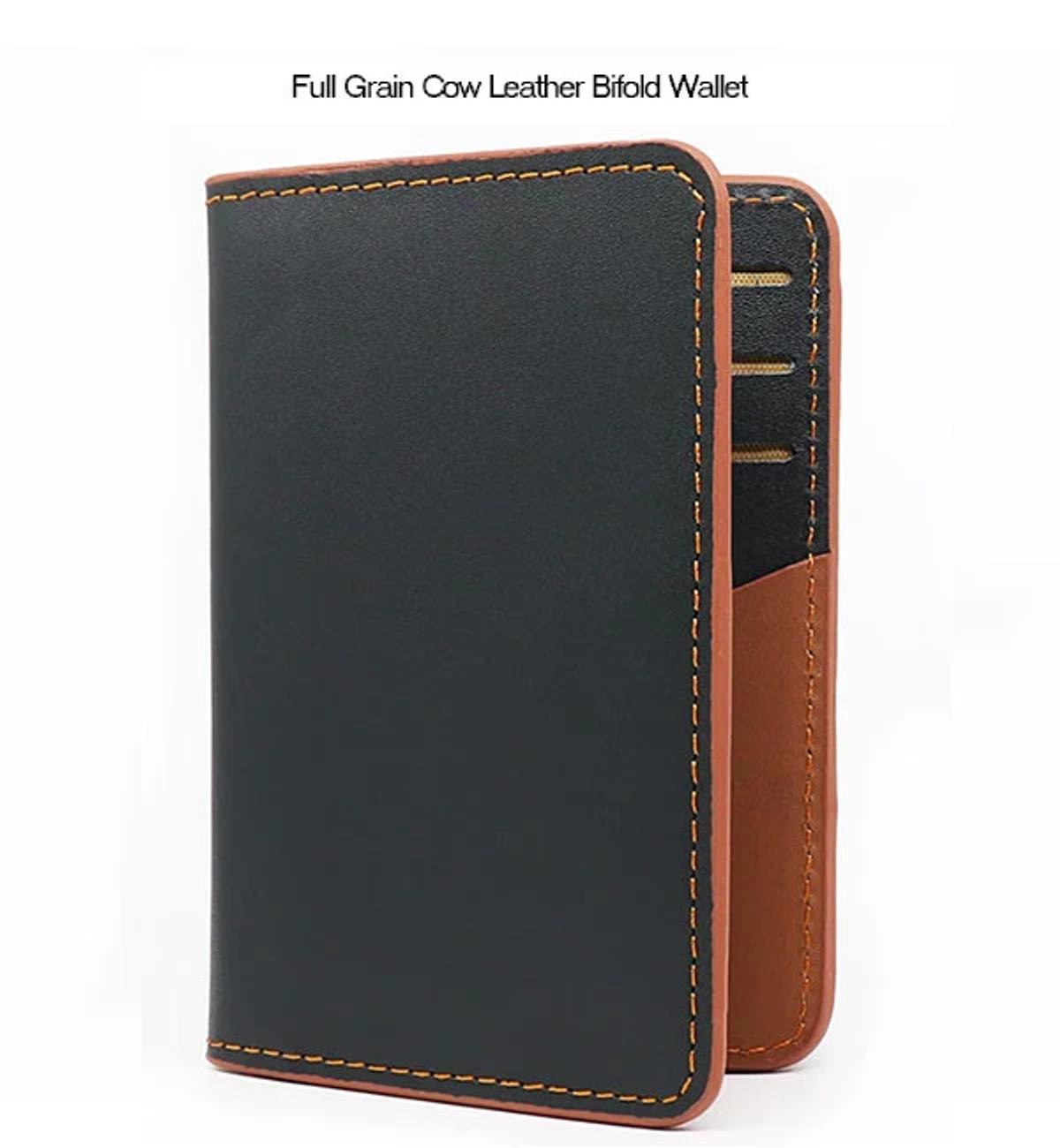
Choose top-grain or full-grain cowhide for high-friction everyday wallets, cardholders, and corporate gifts requiring 5+ years of durability. Reserve lambskin for quilted women's clutches, padded pouches, or luxury interior linings. If you need lambskin softness with cowhide strength, specify smooth baby calfskin (0.8mm–1.0mm).
Based on our OEM production experience across 300+ global leather goods brands, here is our straightforward sourcing recommendation:
Choose Cow Leather (Top-Grain / Full-Grain) When:
- You are producing men's bifold wallets, minimalist RFID cardholders, passport covers, or corporate gift sets that live inside tight denim pockets.
- Your target FOB budget is $4.50 – $9.50 per unit, and you want minimized post-retail defect rates (RMAs) for surface scratching or stretched card slots.
Choose Lamb Leather (Nappa Lambskin) When:
- You are designing women's quilted zip-around wallets, puffy cosmetic pouches, or high-margin evening clutches (retail $150+) where plump, pillowy quilting and lightweight drape are the primary selling points.
- You are using it as a full-leather interior lining inside a structured cowhide exterior wallet to improve the tactile unboxing experience.
The Factory Director's Alternative — Baby Calfskin
- Many emerging brands ask for lambskin simply because they dislike heavily pebbled cowhide and want a silky, ultra-fine grain. In 80% of those cases, Lambskin is the wrong material—what they actually want is Box Calf or Smooth Baby Calfskin.
- Harvested from young calves, calfskin possesses ultra-fine pores visually comparable to lambskin in pore fineness, yet retains the dense dermal structure of bovine hide (≥ 18 N/mm² tensile strength and 80%+ cutting yield). It accepts multi-coat edge paint with uniform adhesion and resists fingernail scuffs better than lambskin.
Frequently Asked Questions (B2B Leather Sourcing FAQ)
Q1: Is lambskin leather more expensive than cowhide for OEM wallet production?
A: Yes. Even when raw material prices per square foot overlap ($3.00–$4.50/sq. ft.), a completed OEM lambskin wallet costs 18% to 30% more at FOB than an identical top-grain cowhide wallet. This cost increase is driven by lambskin's lower clicking yield (55%–65% vs cowhide's 85%–90%), mandatory anti-stretch reinforcement backing, and slower folded-edge assembly labor.
Q2: How can a sourcing manager tell the difference between lambskin and smooth calfskin on a sample?
A: Perform the Fingernail & Grain-Pinch Test. First, lightly drag a fingernail across an inconspicuous corner: un-coated lambskin will often leave a faint mark that requires rubbing with natural finger oils to fade, whereas box calfskin resists light surface scratching. Second, pinch and fold the leather grain-to-grain: calfskin forms firm, springy micro-creases that bounce right back, while lambskin folds flat like silk fabric with almost zero spring-back resistance.
Q3: Can lambskin pass European REACH and California Prop 65 chemical compliance?
A: Yes, provided your factory audits its tannery supply chain. Because lambskins contain high natural wool grease (lanolin), low-tier tanneries often use aggressive degreasing solvents and older chromium-tanning salts that risk oxidizing into Chromium VI above the 3 mg/kg limit under ISO 17075 (REACH Annex XVII). On our production floor, we only source wet-blue lambskins from LWG-audited tanneries with verified Cr(VI)-free vegetable or eco-chrome retanning reports. How each tanning route and surface finish changes grain, temper and service life is set out in our complete guide to leather grades and craftsmanship.
Q4: What is the minimum order quantity (MOQ) difference between cowhide and lambskin custom colors?
A: For stock black, dark brown, or navy, our factory supports flexible OEM MOQs starting at 100–200 pieces per style for both leathers. However, if you require a custom Pantone dye lot from the tannery, a minimum tanning drum load for cowhide is typically 300–500 sq. ft. (enough for ~250–350 wallets), whereas tanneries require 500–800 sq. ft. (approx. 80–120 whole pelts) for custom-dyed lambskin. Our OEM/ODM programme sets out the BOM quoting format, MOQ tiers for stock and custom-dyed leathers, and the sampling timeline before bulk release.